
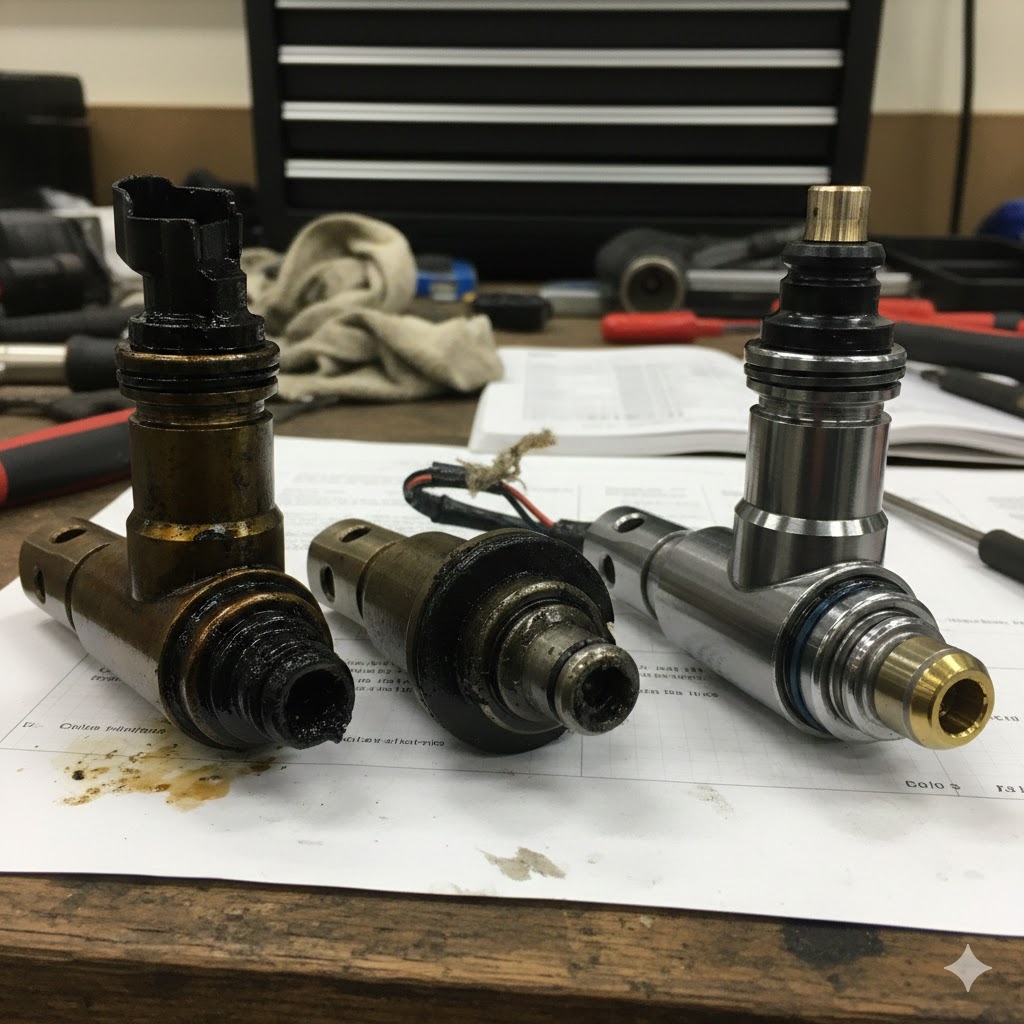
7.3 Powerstroke Injectors: Common Problems and Buying Tips

Its 7.3 Powerstroke engine has earned the reputation of being durable however, like every diesel engine’s performance, it is dependent on the fuel supply. 7.3 powerstroke injectors are a key factor in the speed at which the engine operates as well as the amount of power it generates, and the efficiency with which the engine burns its fuel. When injectors fail, even this famously reliable engine could begin showing evident warning signs that should not be overlooked.


Understanding the Role of Injectors in the 7.3 Engine

Injectors of the 7.3 Powerstroke are responsible for providing exact amounts of fuel to the chamber of combustion at precisely the proper moment. The engines utilize a hydraulically-actuated electronic unit injection system, which means that pressure of the oil and electronic signals are used to control each injector. This is because of the design. injector health is closely linked to fuel quality, oil cleanliness as well as electrical performance.

As time passes, normal wear or a contaminated fuel source, or poor maintenance may reduce the effectiveness of the injector. In the event of this drivers will observe modifications in sound power, sound, and overall driving performance.


Common Injector Problems Owners Face

A common and frequently encountered problems with injectors is that they are difficult to start in particular during cold weather. The injectors in the process of being worn may not provide fuel correctly until the engine has warmed up, resulting in prolonged duration of cranking, or even a slow idle at the start. Another issue that is common is misfire in the engine, which can be felt as a feeling of hesitation or a sluggish acceleration when under the load.

Excessive smoke coming from the exhaust is a different indicator of a problem with the injector. The smoke that appears white can indicate incomplete combustion, whereas smoke that is black usually indicates fueling issues. The oil’s fuel is diluted. is a more serious sign and may occur when injectors leak in the internal part and allow gasoline to combine with the engine’s oil, which can reduce the quality of lubrication.

Insufficient power and decreased efficiency of fuel are also common complaints. If injectors do not effectively atomize fuel the combustion process becomes less efficient which makes the engine be more efficient to produce the same amount of power.


How Oil and Fuel Quality Affect Injector Life

Performance of injectors on the 7.3 Powerstroke is heavily influenced by the quality of oil since oil pressure is utilized to trigger the injectors. Oil that is dirty or degraded could cause sticking, inefficient response or even a malfunctioning injection. Making sure you use the right grade of oil as well as changing the oil at regular intervals can greatly extend the injector life span.

Quality of fuel is just as significantly. Poor quality or contaminated diesel can cause clogging of injector nozzles, wear the internal parts, and diminish the accuracy of sprays. Using clean fuel regularly and changing filters regularly can help keep many problems related to injectors from occurring before they begin.


When Replacement Becomes Necessary

There comes a time when the cleaning and minor fixes are not sufficient. If the performance issue persists even after good maintenance, changing 7.3 injections for powerstroke could be the most effective solution. Engines with a high mileage are more susceptible to wear and tear on injectors especially if oil maintenance were missed or fuel quality was inconsistent in earlier stages of the car’s lifespan.

An accurate diagnosis is vital prior to replacement. The symptoms alone could be a sign of other issues, like poor high-pressure oil pumps defective sensor, and electrical issues. An inspection thorough enough will confirm that the injectors are not the primary of the problem.


Smart Buying Tips for Replacement Injectors

When buying injectors quality is the first priority. Injectors that are poorly or not properly remanufactured could save you money in the beginning, but they can lead to the premature failure of the unit and subsequent cost of labor. Find injectors that have been rigorously examined, balanced and calibrated to match the original specifications for performance.

Compatibility is a further important element. Make sure the injectors are compatible with your engine’s year and configuration, since there are variations between the 7.3 platform. Warranty coverage is also crucial since it indicates the confidence of the manufacturer in their product, and offers assurance following installation.

At Nozzle Masters Every pump and injector is meticulously tested and calibrated with modern diagnostic equipment. With over 35 years of experience working in the diesel industry, the team at Nozzle Masters is focused on restoring performance in the correct method, by matching original specifications for reliable long-term service.

Holset Turbo and 7.3 HPOP: Performance Upgrades Explained

The process of upgrading a diesel engine is not just about numbers. It’s about more efficient power delivery, greater towing stability, and long-term reliability even with high loads. For those who want to maximize the potential of their system, components such as the Holset turbo are now a common topic due to their durability and high-efficiency airflow. Learning how they function and how they can complement the oil and fuel systems is essential to making the correct choices for performance.


Why Turbocharging Matters in Diesel Performance

The role of turbocharging is crucial in the way that diesel engines breathe. By introducing greater air in the combustion chamber turbocharging allows fuel to be burned more thoroughly. This results in greater performance, a more responsive throttle and greater performance when it is properly coupled with the motor.

Holset turbos are renowned for their strong design, which is often suited to industrial and heavy-duty applications. This means that they can handle greater temperatures for exhaust gas and long-term boost levels without causing premature wear. For those who regularly tow or push their trucks to the limit the reliability is just as crucial as the performance gains.


Understanding Airflow and Spool Characteristics

A major and obvious changes that occur after the turbo upgrade is how the engine reacts to different RPMs. More powerful turbochargers tend to transport greater amounts of air, which could greatly enhance top-end power. But, the right sizing is vital. A turbo that is over-sized can be slow at lower speeds, but a properly-matched unit provides a balanced balance between a quick spool-up time and powerful high-end pull.

If airflow is optimised and the engine is running better and more efficiently. This eases the load on internal parts and may prolong the life of engines when combined with the appropriate adjustments to the supporting system.


The Role of Oil Pressure in Diesel Engines

While air is the focus of the spotlight but oil pressure is the quiet engine that drives diesel engine performance. On certain diesel platforms the oil pressure isn’t just used for lubrication but is also used to control fuel injectors. This makes the condition in the system for high pressure oils crucial for ensuring a consistent power supply.

At the midpoint of any serious discussion on performance The 7.3 hpop is an essential consideration. This is the component that provides the required pressure to allow injectors to be fired precisely and in time. If the oil pressure decreases or is inconsistent even the most powerful turbo upgrade can’t reach the full power it has.


How Oil and Air Work Together

Performance gains result through balance and not just isolated modifications. Increased airflow without making sure there is adequate pressure on the oil and delivery of fuel can result in rough running, difficult starts or even damage to the engine. When both systems are and matched, the engine performs to a smoother acceleration and a more consistent power output under loads.

The high-end components of the oil system ensure that injectors work consistently, particularly at higher RPMs, where the demand is higher. This stabilization allows the turbocharger to effectively perform its work and create a smooth flow from intake of air to combustion.


Real-World Benefits for Daily Driving and Towing

For everyday drivers, the biggest benefit is usually the drivability. Response to throttle is quicker and highway driving becomes more comfortable and towing trailers that weigh a lot can be less stressful. In lieu of making the engine push to their limits, the upgrades let it operate smoothly within its power range.

From a long-term perspective from a longevity perspective, engines that breathe and properly lubricate are more likely to last for longer. Lower exhaust temperatures and steady pressure in the oil mean less problems with heat over time.


Is This Upgrade Right for You?

Not every vehicle requires extreme performance components. The best upgrades are that are compatible with the way the vehicle is being used.

Before making any major changes, you should consider the supporting parts and expert tuning. A well-balanced system ensures that all parts work together, rather than placing additional stress upon the engine.

Diesel performance isn’t just about just one element that can be a magic ingredient. It’s about knowing the way systems work. When improvements in airflow are combined by a reliable fueling and oil pressure it makes the engine more efficient, responsive and long-lasting. The right upgrades will not only give you increased power but also peace of mind each time you turn the ignition.

With years of experience in diesel, Nozzle Masters rebuild and calibrate injection pumps and injectors by using exact testing methods to conform to factory specifications and ensures reliable performance in a variety of diesel-powered applications.